You’ve probably seen Swedish massage listed at every day spa and wellness clinic you’ve come across. Maybe you’ve had one, or maybe you’ve been curious but weren’t sure what it actually involves or whether it’s really any different from a regular relaxation massage.
The short answer: Swedish massage is one of the most widely practiced and well-researched massage styles in the world. It uses a specific set of hands-on techniques designed to relax the muscles, improve circulation, and calm the nervous system. If you’ve been dealing with tension, stress, or general physical tightness, understanding what Swedish massage is and what it can do for you is a good place to start.
This guide covers everything you need to know, from the techniques used to the science-backed benefits, who it suits best, and what to expect from a session, whether you’re booking at a clinic or having a therapist come to you.
What Is Swedish Massage?
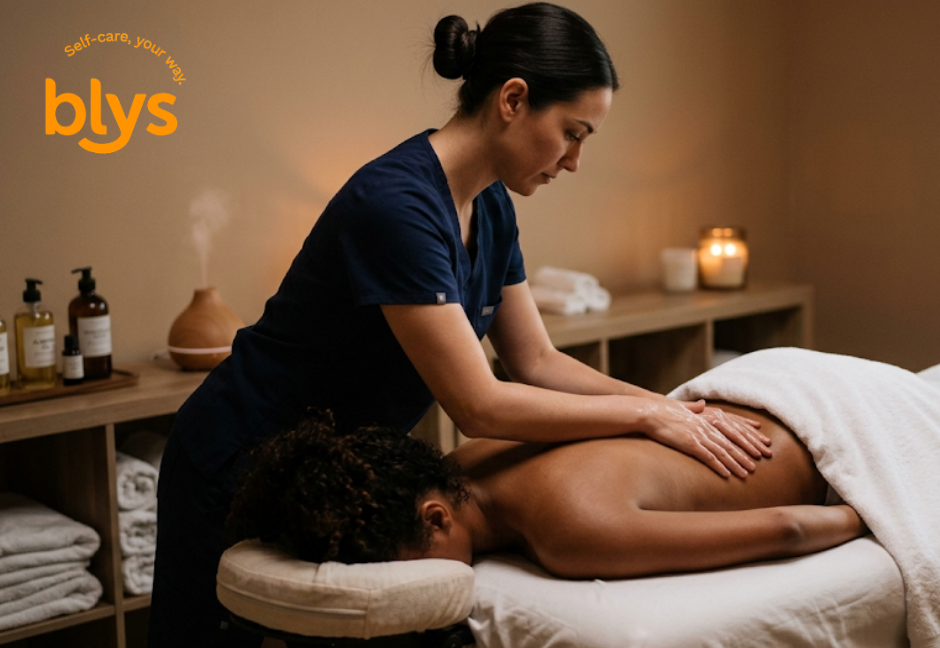
Swedish massage is one of the most common types of massage therapy and is often the style people think of when they picture a classic full-body massage. It uses long, flowing strokes, kneading, tapping, and gentle joint movement to help ease muscle tension and encourage relaxation.
Healthdirect describes it as a popular massage style used for relaxation, stress relief, and relieving muscle tension, while the NCCIH notes that Swedish or classical massage is the most common form of massage therapy in Western countries.
Compared with deep tissue massage, Swedish massage uses lighter to moderate pressure and works in a gentler, more soothing way. That makes it a good choice for people who are new to massage, sensitive to firm pressure, or simply want to relax and reset. Sessions often run for 60 to 90 minutes, with oil or lotion used to help the therapist move smoothly across areas such as the back, shoulders, legs, arms, and neck.
Swedish Massage Techniques Explained
Swedish massage draws on five core techniques, each serving a distinct purpose. Understanding what these are can help you communicate your preferences to your therapist.
1. Effleurage (Long, Gliding Strokes)
These are the long, sweeping strokes you likely picture when you think of massage. Effleurage is used at the start and end of a session to warm the tissue, spread the oil, and help your body transition into a relaxed state. The pressure can be light or firm depending on your needs.
2. Petrissage (Kneading And Compression)
Petrissage involves squeezing, rolling, and kneading the muscle tissue. This technique increases circulation to the area, helps break down superficial knots, and stimulates lymphatic drainage. It’s particularly effective on the shoulders and calves.
3. Friction (Targeted Circular Pressure)
Friction strokes use deeper, circular movements concentrated on a specific spot. They’re often used around joints or areas of particular tightness to warm the tissue and break down adhesions. This is one of the more targeted techniques in a Swedish session.
4. Tapotement (Rhythmic Tapping)
Tapotement uses a brisk, rhythmic percussion motion with cupped hands, fingertips, or the side of the hand. It’s energizing and stimulating and is often used mid-session to invigorate the muscles. Some people love it; others prefer to skip it. Your therapist will take your cue.
5. Vibration (Fine Oscillating Movements)
Vibration involves the therapist rapidly shaking or trembling their hands against the body to release tension in the muscles. It’s particularly useful along the spine and in the shoulders and can help calm the nervous system when applied gently.
Swedish Massage Benefits: What The Research Shows
Swedish massage isn’t just relaxing; there’s a growing body of research to support its physical and psychological benefits. Here’s what regular sessions can help with.
- Muscle tension relief: the combination of effleurage and petrissage helps release superficial muscle tightness, making Swedish massage effective for people who carry tension in the neck, shoulders, or lower back.
- Reduced stress and anxiety: research published on PubMed has found that massage therapy lowers cortisol levels and increases serotonin and dopamine, contributing to improved mood and reduced anxiety symptoms.
- Improved circulation: the flowing strokes of Swedish massage encourage blood flow through the muscles, which can support recovery, reduce fatigue, and improve overall cardiovascular function.
- Better sleep: many clients report improved sleep quality after a session, likely due to the parasympathetic nervous system response triggered by the massage.
- Lymphatic support: petrissage in particular stimulates the lymphatic system, which plays a role in immune function and the removal of metabolic waste from tissues.
For a deeper look at the evidence, Better Health Channel provides a reliable overview of massage therapy and its health applications. You can also explore our dedicated breakdown of the science behind Swedish massage benefits for more detail.
Swedish Massage vs. Deep Tissue: Which Is Right For You?
Swedish and deep tissue massage may use some similar techniques, but they are designed for different outcomes. Swedish massage is usually better for relaxation, stress relief, and general muscle tension, while deep tissue is more focused on stubborn tightness and specific areas of discomfort.
A simple way to choose is this: if you want to relax and reset, Swedish massage is often the better fit. If you need more focused work on ongoing tension or sore muscles, deep tissue may suit you better.
| Feature | Swedish massage | Deep tissue massage |
| Main goal | Relaxation and general tension relief | Targeted relief for deeper tightness and problem areas |
| Pressure | Light to moderate | Moderate to firm |
| Techniques | Long gliding strokes, kneading, tapping, gentle joint movement | Slower, firmer pressure focused on deeper muscle and connective tissue |
| Best for | First-time clients, stress, general muscle tension, relaxation | Chronic tightness, postural strain, sports recovery, specific muscle discomfort |
| How it feels | Soothing and calming | More intense and focused |
| Session style | Often full-body and flowing | Often focused on key problem areas, though it can still be full-body |
Many therapists also blend both styles in one session. They may use lighter pressure for overall relaxation, then work more deeply on areas that feel especially tight.
Who Is Swedish Massage For?
Swedish massage is one of the most approachable massage styles, which is why it suits such a wide range of people. Because the pressure is usually lighter and the techniques are more flowing than deeper treatment styles, it is often a good starting point for people who want relaxation, stress relief, and gentle support for everyday muscle tension.
Healthdirect notes that Swedish massage is commonly used for relaxation, stress relief, and easing muscle tension.
It may be a good fit for:
- People new to massage who want a gentler introduction.
- People dealing with day-to-day stress, anxiety, or burnout.
- People with general muscle tightness from desk work or daily routines.
- Clients who find firmer pressure uncomfortable.
- People who want regular massage as part of their self-care routine.
- Pregnant clients, when the treatment is adjusted appropriately and provided by someone with suitable training.
That said, massage is not suitable in every situation. Therapists commonly screen for factors such as blood clots, circulation problems, skin conditions, recent injuries, and other health concerns before treatment, and Massage & Myotherapy Australia’s standards emphasize working within the scope of practice and client safety.
If you have a medical condition or are unsure whether massage is appropriate for you, consult your doctor or therapist before booking. Massage & Myotherapy Australia is also a useful reference point for practitioner standards and professional expectations in Canada.
What To Expect From A Swedish Massage Session
If it’s your first time, knowing what happens during a session can help you relax and get more out of it.
Before the massage begins, your therapist will do a brief consultation to understand what you’re hoping to address, whether that’s general tension, a particular area of discomfort, or purely relaxation. This is the right time to mention any injuries, health conditions, or pressure preferences.
You’ll undress to your level of comfort and lie on a massage table, covered by a sheet or towel. The therapist will undrape only the area they’re working on at any given time. Throughout the session, you can ask to adjust pressure; good therapists actively encourage this.
A full-body Swedish massage will typically cover the back, glutes, legs, arms, abdomen (optional), and neck and scalp. Sessions run for 60 or 90 minutes depending on what you book.
After the session, give yourself a few minutes before rushing off. It’s common to feel a little floaty or drowsy, and drinking water afterwards is generally recommended to support the body’s recovery. You can also read more about the specific therapeutic benefits of Swedish massage and what to expect post-session.
If you’re considering booking a mobile massage rather than travelling to a clinic, the experience is essentially the same; your therapist brings a professional table and all equipment to your location, so you get all the benefits without leaving home.
Ready To Book Your Swedish Massage?
Swedish massage is one of the most effective ways to address everyday stress and tension—and one of the most accessible. Whether you’re a regular massage client or booking for the first time, it offers a well-rounded combination of physical and mental benefits that most people can enjoy. Explore the Swedish massage techniques that support deep relaxation if you’d like to go deeper on the method before your session.
If you’re based in Canada and want the convenience of a professional therapist coming to you, Blys Swedish massage connects you with vetted, qualified therapists who deliver the full clinic experience at your home, hotel, or workplace. Browse available therapists and book a time that suits you.