If you’ve ever wondered whether hot stone massage is worth trying or just a luxurious-sounding add-on, you’re not alone. A lot of people assume it’s purely about ambiance, warm stones, soft music, and deep relaxation. But the physical effects are well documented, and for many people, what the benefits of a hot stone massage are go far beyond a pleasant hour on the table.
Heat has long been used therapeutically to ease pain, improve circulation, and calm the nervous system. When it’s applied with the skill of a trained massage therapist, the results can be genuinely useful not just for stress but also for chronic muscle tightness, poor recovery and even sleep problems.
This post breaks down exactly what hot stone massage does for your body and mind, who tends to benefit most from it, and what you can realistically expect from a session’s recovery.
What Is Hot Stone Massage?
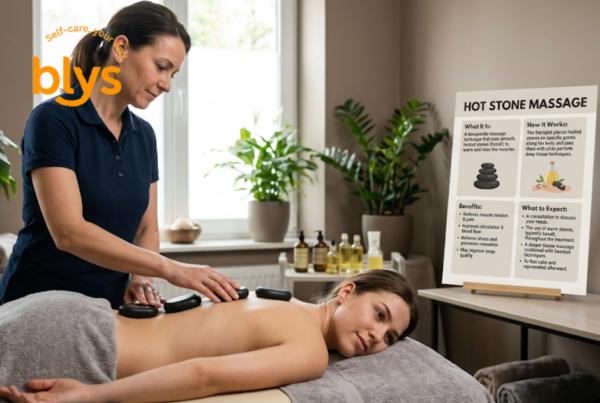
Hot stone massage is a type of massage therapy that uses smooth, heated stones alongside hands-on massage to help relax tight muscles and ease physical tension. The stones are usually made of basalt, a volcanic rock that holds heat well, which makes it especially suitable for this treatment. According to Healthline, the stones are often placed on areas such as the spine, palms, feet, or shoulders, while the therapist may also use them during massage strokes.
The added heat helps soften the muscles before deeper work begins, which can make the treatment feel more effective without needing overly intense pressure from the start. According to Cleveland Clinic, heat therapy can increase blood flow, relax tight muscles, and improve movement in stiff areas.
Hot stone massage is not always just a light, passive treatment. According to the National University of Health Sciences, the warmth of the stones helps muscles relax so a therapist can apply deeper pressure more comfortably when needed.
The Physical Benefits of Hot Stone Massage
Hot stone massage offers more than simple relaxation. The combination of heat and massage pressure can help ease tight muscles, support circulation, improve mobility, and make recovery feel a little easier after stress or physical strain.
Muscle Tension and Pain Relief
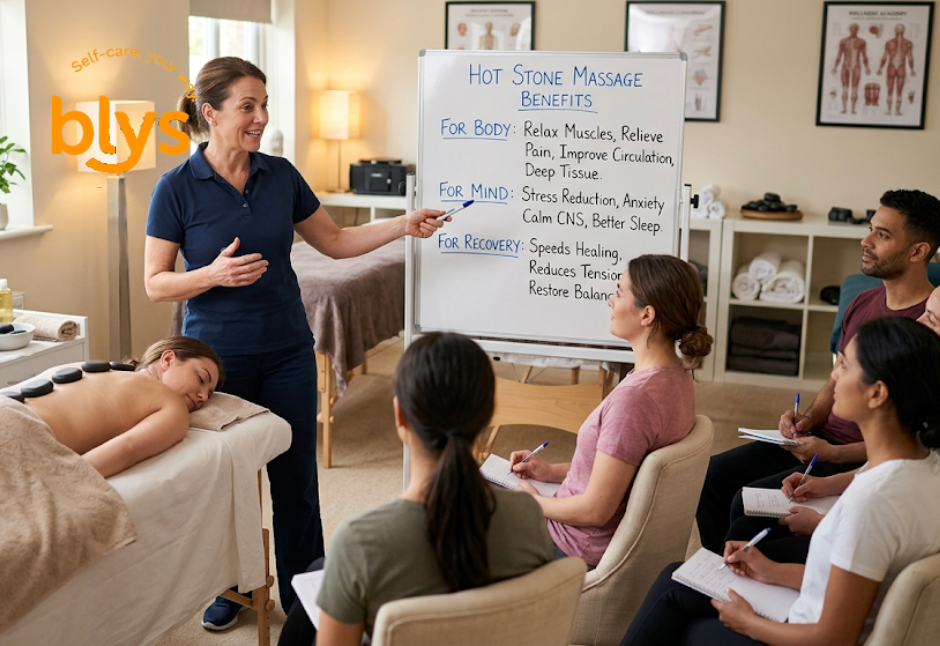
One of the most immediate and commonly reported effects of hot stone massage is relief from muscle tension. Heat causes muscle fibers to relax and become more pliable, which makes it significantly easier for a therapist to work through knots and areas of chronic tightness.
For people who carry tension in the neck, shoulders, and upper back from long hours at a desk or a physically demanding job, this effect can feel like a reset. The combination of heat and manual pressure works to disrupt the tension-pain cycle that often keeps overworked muscles in a state of contraction.
Research published on PubMed supports the use of heat therapy for musculoskeletal pain, with evidence pointing to improvements in pain intensity and mobility following regular treatment. When combined with skilled manual therapy, as in a professional hot stone session, these effects tend to be more pronounced.
Improved Circulation
Heat helps widen blood vessels, which encourages better blood flow through the area being treated. According to Cleveland Clinic, heat therapy can increase blood flow while helping tight muscles relax.
That increase in circulation can help bring more oxygen and nutrients to tired muscles, which supports recovery after long periods of sitting, physical work, or exercise. According to research, heat may help improve blood flow, reduce pain, and help muscles move more freely.
This is one reason hot stone massage often feels helpful for dull, lingering muscular aches, especially in areas like the back, shoulders, and calves. The added warmth supports the massage itself, making tight tissue feel less guarded and easier to work through.
Joint Mobility and Flexibility
Hot stone massage may also help improve movement by easing the muscular tightness that surrounds stiff joints. When the tissue feels warmer and more relaxed, it can be easier for the therapist to work through restricted areas such as the hips, hamstrings, and shoulders. According to Cleveland Clinic, massage therapy can help increase range of motion and flexibility.
Hot stone massage may be useful if you are dealing with:
- Stiff hips after long periods of sitting
- Tight hamstrings that still feel restricted
- Shoulders that feel tense or harder to move
For many people, this means the body feels less rigid and more comfortable after a session. While the effect may be temporary, it can make stretching, exercise, and day-to-day movement feel easier in the short term.
The Mental and Emotional Benefits
The physical effects of hot stone massage are well supported, but the mental benefits are equally significant for many clients.
Heat activates the parasympathetic nervous system, the part of your nervous system responsible for rest and recovery. When your body registers sustained warmth, it begins to shift out of the alert, reactive state associated with chronic stress and into a calmer, more regulated mode. Heart rate slows, breathing deepens, and cortisol levels begin to drop.
For people managing anxiety, burnout, or sleep difficulties, this shift can be genuinely therapeutic. Many clients report sleeping more deeply in the nights following a session, and some find that the mental clarity that comes with deep physical relaxation persists for several days.
A study in the Journal of Alternative and Complementary Medicine found that massage therapy, including thermotherapy-enhanced techniques, significantly reduced symptoms of anxiety and depression in participants. While hot stone massage alone is not a treatment for mental health conditions, it can be a meaningful part of a broader self-care routine.
There’s also a sensory component worth mentioning. The weight and warmth of the stones on the body create a grounding effect that many people find deeply calming, particularly those who experience tension physically as a result of stress.
Hot Stone Massage for Recovery
Hot stone massage has a useful role to play in physical recovery, and it’s increasingly popular among people who train regularly or have physically demanding jobs. If you’re trying to decide between approaches, it helps to understand how hot stone compares to deep tissue massage for back pain and muscle recovery. Both have distinct applications depending on what your body needs.
For recovery specifically, the circulatory benefits of hot stone massage make it well suited to the days following intense exercise or physical exertion. Increased blood flow to worked muscles accelerates the removal of lactic acid and other metabolic byproducts, which can reduce delayed onset muscle soreness (DOMS) and help you return to full capacity sooner.
It’s also a useful option for people dealing with occupational strain: tradespeople, healthcare workers, and parents of young children who accumulate tension in predictable areas over time. Because the heat does much of the tissue preparation, even deeply embedded tension can often be addressed without the level of discomfort that can come with more intense manual techniques.
One important note: hot stone massage is not recommended during acute injury or inflammation or in the immediate aftermath of intense physical trauma. If you’re dealing with an acute condition, speak with your therapist or GP before booking, and consider a targeted remedial approach instead.
Is Hot Stone Massage Right for You?
Hot stone massage can be a good fit if you want relief from muscular tension but do not enjoy overly intense pressure. The added heat helps the body relax more quickly, which often makes the treatment feel both calming and effective.
It may work especially well for people who:
- Carry chronic tension in the neck, shoulders, or back
- Find it hard to fully relax during a standard massage
- Experience stress-related symptoms such as headaches, jaw tension, or poor sleep
- Want support with post-exercise recovery without aggressive manual work
- Deal with general muscular aching and prefer a gentler approach
It may not be suitable if you have circulatory issues such as varicose veins or blood clots, certain skin sensitivities, are pregnant, or have recently had surgery. Your Blys therapist will ask about contraindications before the session, but it is still best to mention anything relevant when you book.
If you want a fuller breakdown of what to expect before, during, and after treatment, read our complete hot stone massage benefits guide.
Wrapping Up
Hot stone massage isn’t just a treat; it’s a genuinely effective way to address muscle tension, support circulation, ease stress, and improve recovery. The combination of therapeutic heat and skilled manual work makes it one of the more versatile options in massage therapy, suitable for everything from post-training recovery to ongoing stress management.
If you’re ready to experience it for yourself, you can book a hot stone massage with a Blys therapist who’ll come directly to your home, hotel or workplace. No travel, no waiting rooms, just a proper session delivered on your terms. Head to Blys page to find a therapist near you.